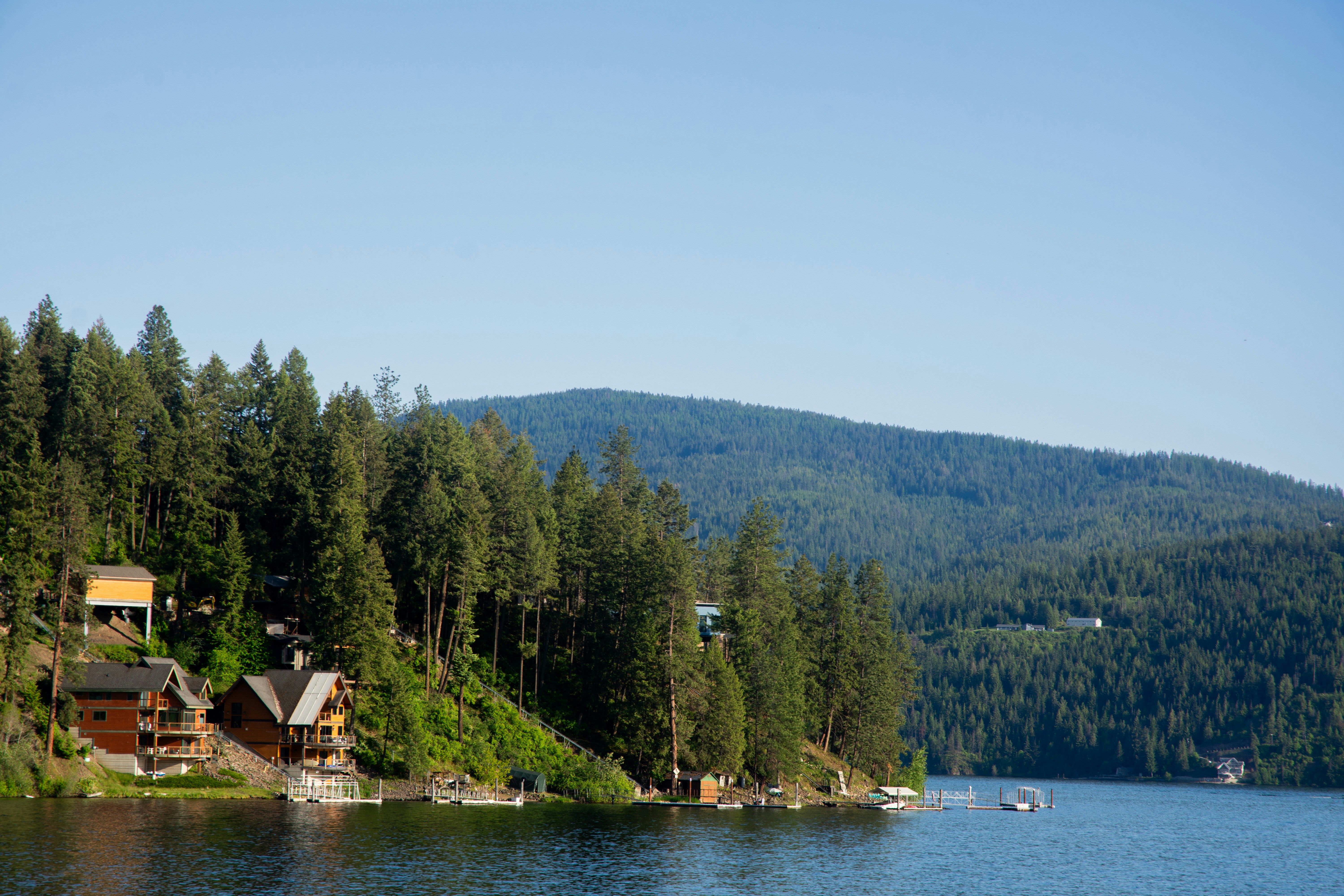
Renting out a cottage in the countryside sounds appealing. A lake out front, a steady stream of bookings, passive income covering the mortgage. The reality is a bit more nuanced, and that is exactly what this article documents.
Gabriel Bélisle-Dupuis is a residential real estate broker specializing in rural properties across Outaouais. He regularly accompanies investor buyers through the evaluation of rental properties, from initial questions to closing. What he shares here comes from the field.
Here are the seven realities that every buyer considering rural short-term rental should anticipate, before signing a purchase offer.
What Is Short-Term Rental in Quebec?
In Quebec, short-term rental refers to any tourist accommodation rented for a period of 31 consecutive days or fewer. In practice, this means cottages listed on platforms like Airbnb or VRBO for weekends, full weeks, or multi-night stays.
This model is governed by the Corporation de l'industrie touristique du Québec (CITQ) and has been subject to considerably tighter regulation in Quebec since 2022. Provincial registration requirements, municipal zoning rules that vary from one MRC to another, and accountability requirements for the platforms themselves: rural short-term rental now demands serious preparation, well before the first booking.
1. Cleaning: The Number One Challenge
This is consistently the first obstacle rural cottage owners encounter. And it is not just a matter of finding someone reliable: it is a question of frequency, timing, and availability in a rural context.
A cottage with a two-night minimum stay can host up to three different groups per week during peak season. Every departure triggers a full clean. The window is often tight: guests check out around noon, the next group arrives at four. The person responsible must be available within that window, repeatedly, often on Sundays, the most common departure day. Finding someone willing to work Sunday afternoons in a rural area is a concrete challenge that few buyers anticipate.
Professional cleaning companies rarely cover rural municipalities. Independent cleaners often have multiple clients: your cottage will not always be their priority, especially if work options are limited in the area.
What to plan for: Ideally two reliable people, to ensure coverage when one is unavailable. A clear mandate that includes outdoor spaces. A realistic cleaning rate based on the cottage's square footage and distance, not a figure borrowed from urban markets. This network needs to be in place before the purchase, not after.
2. Guest Communication: An Underestimated Challenge
The relationship with guests does not begin at check-in. It starts several days before their arrival, and it can continue in real time throughout the stay. In a rural setting, this takes on a particular dimension.
Arrival instructions. In remote areas, a civic address may not be enough. Gravel roads are not always recognized by Google Maps, intersections are not always clearly marked, and some areas have no cellular signal in the final kilometres leading to the cottage. If guests are counting on the Airbnb app to access instructions while en route, they may find themselves without connectivity at exactly the moment they need it most. Instructions must be sent in advance — by email or text message — with a geolocation link that works offline, clear visual landmarks, and ideally a local phone number to call if they run into trouble.
WiFi. Reliable internet is no longer optional in a rental cottage. It is a baseline expectation for guests, and it is also the tool that allows the owner to communicate with them during the stay. If a fire ban is issued by SOPFEU mid-stay, if an urgent situation arises, or if instructions need to be relayed quickly, WiFi is the only reliable channel when there is no cellular service. A strong router, a fibre or satellite connection depending on what is available in the area, and a simple reboot procedure to include in the welcome guide are all things to plan for at the time of purchase.
SOPFEU fire ban alerts. Fire bans are common in Quebec during dry periods and can come into effect overnight. The property owner is responsible for notifying guests and ensuring compliance. A ready-to-send message template, combined with a reliable WiFi connection, allows for a quick response without depending on the platform.
What to put in place: A detailed arrival guide sent systematically before every stay, with geolocation and visual landmarks. Reliable, well-configured WiFi. A SOPFEU alert monitoring system. A clear communication protocol for emergencies and last-minute changes.
3. Rural Infrastructure: Septic, Water, and Day-to-Day Logistics
This is the least glamorous challenge, and yet one of the most decisive for the operational profitability of a rural rental cottage.
The septic system. In waterfront properties, many installations use a holding tank rather than a leaching field. Unlike a system with proper filtration, a holding tank simply accumulates waste. With high guest turnover, especially large groups, this tank can fill quickly, sometimes within weeks. An emergency pump-out mid-season means unexpected costs and an unpleasant experience for your guests. At inspection, you need to know the type of installation, its capacity, its pump-out history, and the municipal regulations that apply to shoreline properties.
The well. If the property draws from a well, flow rate is a critical question. A well with insufficient flow to support eight people showering on a summer morning is a guaranteed source of complaints. Request the drilling report if available, or schedule a flow test as part of the inspection. Water quality should also be confirmed with a recent bacteriological analysis.
Alternative systems. Some cottages are equipped with composting or incinerating toilets. These systems make sense in a personal or family cottage context, but they add a layer of maintenance and explanation for guests who are unfamiliar with them. Guest experience suffers.
Potable water. When the property draws from the lake rather than a well or municipal network, the water is not drinkable without treatment. Providing bottled water becomes a necessity, not an added touch. Someone must handle restocking between stays. If the owner is far away, this responsibility falls to the on-site contact, and it must be planned and paid for.
The propane tank. Barbecues, gas stoves, outdoor fireplaces: propane equipment is common in cottages. An empty tank mid-stay is an avoidable frustration. Keeping a spare on site and establishing a clear exchange protocol is part of running the operation properly.
The washer and dryer. For cleaning staff, having a washer and dryer on site changes the logistics entirely. Sheets, towels, duvets: if laundry can be done between stays, turnaround times are shorter and subcontracting costs are lower. Without these appliances, linens must be transported offsite for washing, which extends delays and complicates scheduling, especially during peak season.
What to examine at inspection: The type and capacity of the septic system, and access to the pump-out route. The well's flow rate and water quality. The source of water supply and any treatment systems in place. The presence and condition of a washer and dryer. The number and state of propane tanks. These are all part of the due diligence Gabriel systematically integrates when accompanying his investor clients.
4. Ongoing Maintenance and Unexpected Repairs
A rental cottage is a property used intensively, often by people who do not treat it as their own. Things break. A leaking faucet, a water heater that fails, a well pump that stops working on a Saturday night in July.
In an urban setting, a plumber or electrician is relatively easy to reach. In a rural area, delays are longer, travel costs are added, and guests expect immediate responses.
Normal wear and tear also adds up quickly with high turnover: dishes break, towels and sheets wear out, small appliances fail. Guests sometimes leave kayaks or canoes outside without putting them away, exposed to rain or wind. The fire pit needs to be emptied regularly. Firewood must be restocked between stays.
What to put in place: A trusted on-site contact for emergencies and regular upkeep. A clear protocol for watercraft and outdoor equipment. An annual replacement budget for dishes, linens, and small equipment — a recurring cost that adds up significantly over five years. This is not a luxury. It is property management.
5. Access to Services for Your Guests
People renting a cottage in the countryside do not necessarily want to be completely disconnected. They want nature, yes, but they also need groceries, a pharmacy, sometimes a hardware store or a restaurant.
If your property is 45 minutes from the nearest convenience store and over an hour from a proper grocery store, this will show up in your reviews. Guests will mention the lack of amenities in their Airbnb comments, which directly affects your ranking on the platform and your occupancy rate.
What to assess: Distance to essential services (grocery store, pharmacy, medical emergency, gas station). Quality of cellular and internet connectivity, increasingly considered a basic requirement. The presence of an active village at a reasonable distance.
In Outaouais, areas such as Chelsea in Les Collines, Montebello in Papineau, Gracefield in La Vallée-de-la-Gatineau, or Shawville in Pontiac offer this balance between rural character and access to services. It is a criterion we systematically include in searches for our investor clients.
6. Activities to Recommend in Your Welcome Guide
A guest arriving for three nights can spend enjoyable time on the dock or around a fire. But a guest staying a week wants to get out, explore, and experience the region.
If you have nothing to recommend, their stay will be less memorable, their reviews less enthusiastic, and your long-term income will suffer. Conversely, a cottage close to public beaches, well-marked hiking trails, restaurants, and local artisan shops becomes an experience, not just accommodation.
What to anticipate when buying: The richness of the activity offer within a 30 to 60-minute radius. Seasonality, since an area that is lively in summer can become very quiet by November. The presence of cross-country skiing or snowshoeing trails, outdoor skating rinks, and local festivals to support winter rentals.
Before finalizing a welcome guide, many owners spend time exploring the region themselves: restaurants, artisan boutiques, local markets, beaches, trails. This content becomes a direct competitive advantage on booking platforms.
7. The CITQ Permit and Municipal Regulations
Registration with the Corporation de l'industrie touristique du Québec (CITQ) is mandatory for any rental of 31 days or fewer. The certificate must be displayed at the main entrance and included in all advertising. It is valid for 12 months, renewed annually, and must be transmitted to platforms such as Airbnb or VRBO, which are legally required to verify its validity before publishing a listing. Starting January 1, 2026, registration fees for a general tourist accommodation establishment are $156.
But provincial regulation is only the first layer. Each municipality has its own zoning rules, and some have adopted significant restrictions or outright bans on short-term rentals. In Outaouais itself, the municipality of Lac-Simon has for several years prohibited property owners from renting to tourists, a rule that has been challenged in court. Other municipalities cap the number of rental days per year or restrict short-term rental to specific cadastral zones only.
What to verify before buying: Compliance with municipal zoning regulations, ideally confirmed in writing by the municipality. The cadastral location of the property relative to authorized zones. The history of the building's use, as acquired rights may or may not apply depending on the situation.
Gabriel regularly accompanies his clients through this verification as part of the transaction. It happens upstream, not as a discovery after signing.
In Summary
Short-term rentals in the countryside are a solid investment avenue, but they require serious preparation. The owners who succeed are those who anticipated the logistical constraints before buying, not those who discovered them afterward.
If you are considering purchasing a rental cottage in Outaouais, we also invite you to read our guide on buying a waterfront property in Outaouais to better understand the specificities of lakeside properties in rural areas.
For any question on the feasibility of a rental project in a specific area, our analyses include regulatory verification, revenue potential, and operational constraints. It is a process we go through with you, from the start.
Gabriel Bélisle-Dupuis Residential Broker | L'immobilier en toute sérénité 819-328-7173 | info@gabrielbelisledupuis.com